
Consumer Beverages
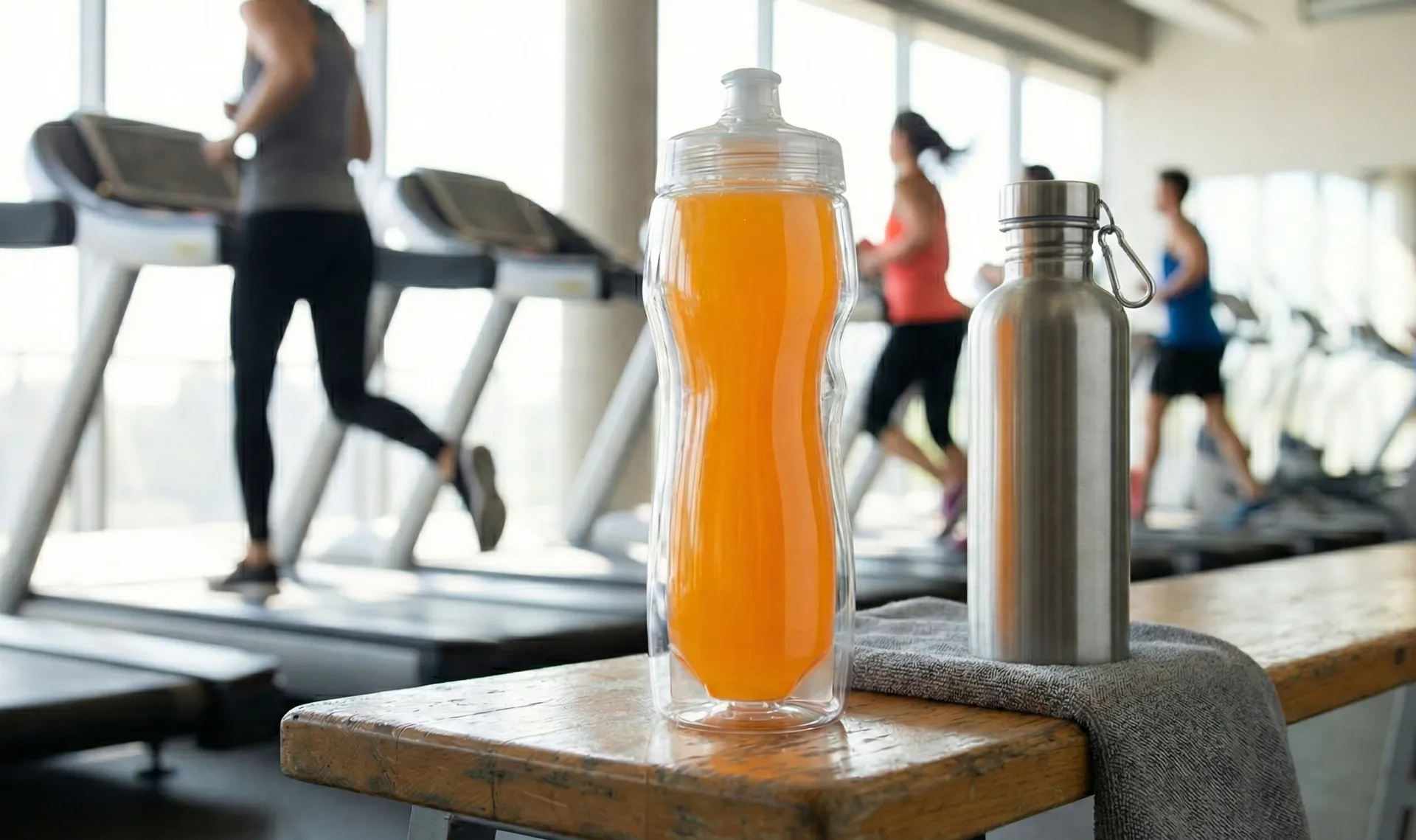
Americans buy 50 billion single-use plastic water bottles annually. Anti Gravity Bottle replaces them with a reusable housing and replaceable inner bags, cutting plastic by up to 88%.
The Problem
50 Billion Single-Use Bottles Per Year
Americans purchase over 50 billion single-use plastic water bottles annually. 97% are plastic. Only 5% actually get recycled. The rest end up in landfills or the environment.
Only 5% of single-use plastic bottles are recycled in the US
Microplastic Contamination in Every Bottle
Columbia University research found 240,000 plastic particles per liter of bottled water, 90% of which are nanoplastics that can cross biological barriers, enter the bloodstream, and reach organs.
240,000 plastic particles per liter; 4.5x increased cardiovascular risk
Corporate Sustainability Targets Are Failing
Coca-Cola, PepsiCo, Unilever, and Nestle are all revising their plastic reduction targets downward. Recycling infrastructure has not developed as expected. These companies need reuse systems, not better recycling.
The Anti Gravity Bottle Advantage
Up to 88% Plastic Reduction Per Serving
A durable outer bottle the consumer keeps, with lightweight replacement inner bags (3g vs. 25g traditional bottle). Over 100 uses, a single consumer prevents 2,200g of plastic waste.
No Flavor Transfer Between Replacements
Because the product only contacts the inner bag (not the reusable outer bottle), there is zero flavor transfer when switching between products. Swap from water to sports drink to juice with a simple pouch change.
Leak-Proof at Any Altitude
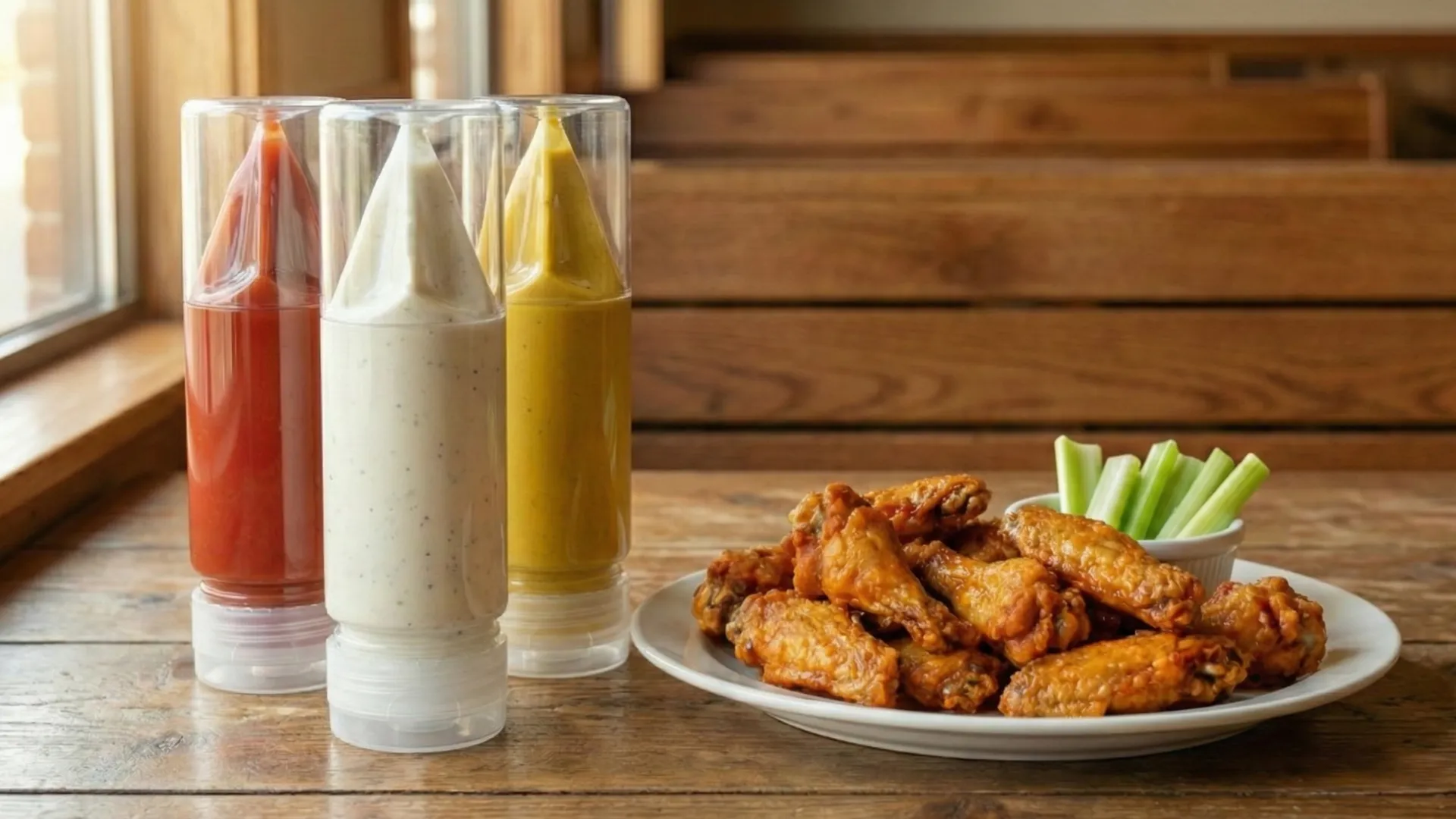
Pressure equalization means zero leaks at any altitude. The same technology that prevents condiment spurts keeps beverages secure in gym bags, backpacks, and airplane cabins.
Market Opportunity
Market Size
$5B+ (10% take rate of $50B+ US single-use market)
Growth
US single-use bottle market is $50B+; global market is $330B+
Anti Gravity Bottle does not compete with reusable water bottles. It replaces the single-use bottle market by converting it to a reuse model. Even a 10% conversion rate of the US market represents $5B+. The replacement pouch model creates recurring revenue for brands.
Current Approaches vs. Anti Gravity Bottle
Current Approach
Single-use PET bottles dominate. Reusable bottles (Nalgene, Hydro Flask, CamelBak) serve a niche. Brands experimenting with refill stations (Coca-Cola Freestyle) and Loop-style reuse programs.
Limitations
Reusable bottles do not address the single-use market, they serve different occasions. Refill stations require infrastructure. Loop-style programs have low adoption due to inconvenience. No current solution converts single-use to reuse at scale.
The Anti Gravity Bottle Difference
Anti Gravity Bottle enables a true single-use-to-reuse conversion: brands sell replacement pouches through existing retail and e-commerce channels. No infrastructure changes needed. The outer bottle becomes a durable platform, the inner bag becomes the consumable.
Why Now
EU PPWR mandates reuse targets by 2030. California SB 54 requires source reduction by 2032. Major brands are failing their self-imposed sustainability targets. Consumers are increasingly aware of microplastic health risks. The regulatory and consumer pressure is converging.
Related Industries
Ready to Explore Licensing?
Get the full technical white paper with market data, implementation roadmap, and licensing models.
Request White Paper