
Healthcare & Pharmaceutical
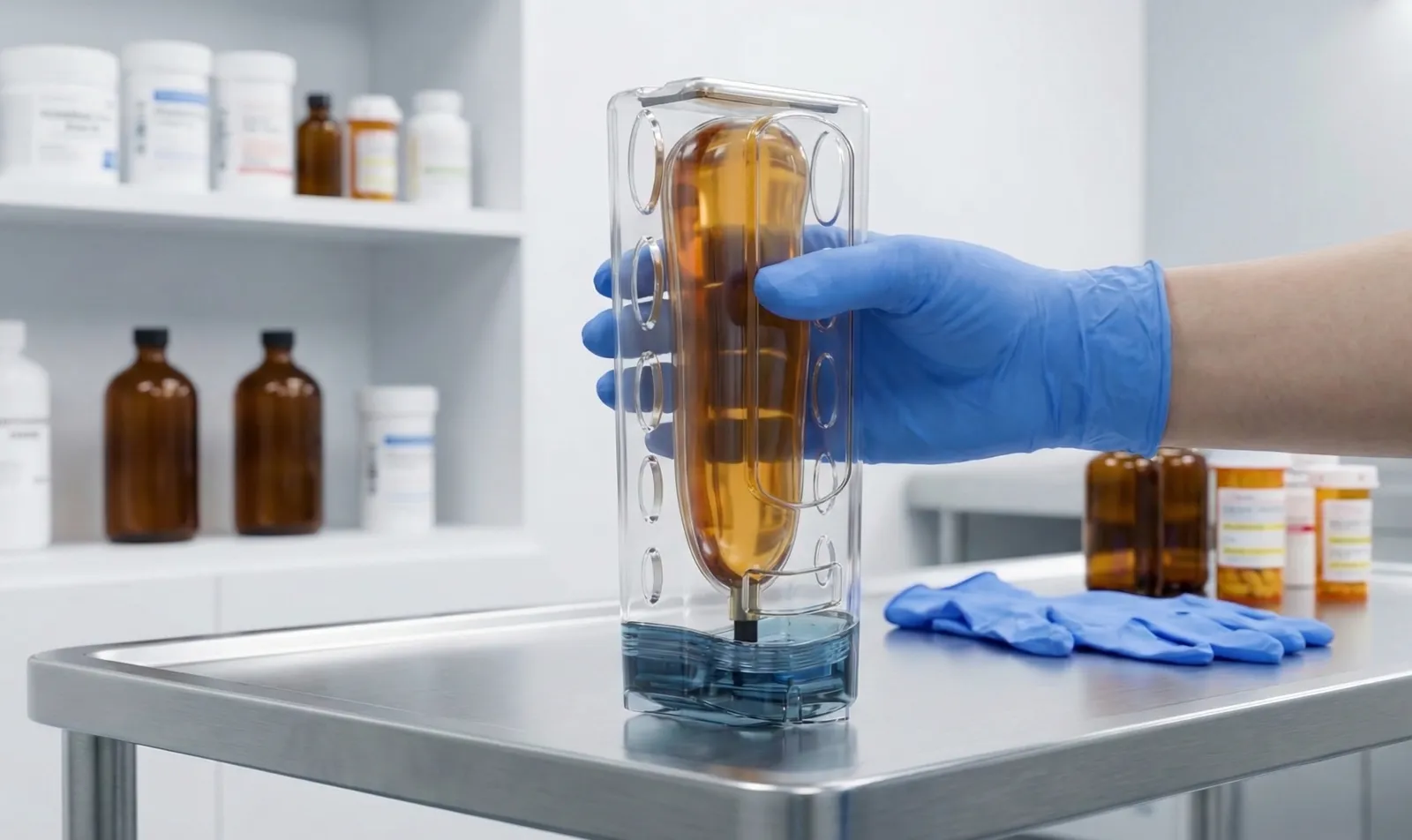
Every opened multi-dose container is a contamination risk. Anti Gravity Bottle enables preservative-free multi-dose dispensing for the first time.
The Problem
Preservatives Irritate Chronic Users
Multi-dose eye drops, nasal sprays, and liquid medications contain preservatives (like BAK in eye drops) that irritate patients with chronic conditions. Long-term preservative exposure can damage corneal cells and nasal mucosa.
Single-Dose Vials Create Waste and Cost
Preservative-free single-dose vials solve contamination but create enormous waste and cost 3-10x more per dose. Hospitals and pharmacies face cost pressure while generating mountains of single-use medical packaging.
Single-dose vials cost 3-10x more per dose than multi-dose
Inconsistent Dosing From Pressure Variation
Altitude and temperature changes affect squeeze pressure and dose delivery. Eye drops and nasal sprays that deliver inconsistent doses reduce treatment efficacy and patient compliance.
The Anti Gravity Bottle Advantage
Preservative-Free Multi-Dose Dispensing
The sealed inner bag and one-way valve prevent contamination without preservatives. Multi-dose containers remain sterile throughout their use life, eliminating the tradeoff between safety and waste.
Consistent Dosing Via Pressure Equalization
Automatic pressure equalization ensures consistent squeeze pressure and dose delivery. No altitude-related variations that affect dosing accuracy in eye drops, nasal sprays, or liquid medications.
Applicable Across Therapeutic Categories
Eye drops, nasal sprays, wound care, liquid medications, topical treatments, and ultrasound gels all benefit from contamination-resistant, preservative-free dispensing.
Extended Product Stability
Reduced air-to-product surface area slows oxidation of sensitive pharmaceutical compounds. Active ingredients maintain labeled potency longer, supporting extended expiration dating and reducing waste from expired inventory.
Market Opportunity
Market Size
$3-5B
Aptar's Ophthalmic Squeeze Dispenser (OSD) has deployed 500+ preservative-free products, proving massive demand. Anti Gravity Bottle adds pressure equalization and lower unit cost. Healthcare is a premium-margin market with strong regulatory moats.
Current Approaches vs. Anti Gravity Bottle
Current Approach
Single-use preservative-free vials, preservative-laden multi-dose bottles, and Aptar's OSD with 500+ products deployed.
Limitations
Aptar OSD delivers sterility but has no pressure equalization, high per-unit cost, and plastic product contact. Single-use vials are wasteful and expensive. Preserved multi-dose bottles irritate chronic patients.
The Anti Gravity Bottle Difference
Anti Gravity Bottle combines contamination-resistant multi-dose dispensing with automatic pressure equalization and lower manufacturing cost. The spin-rotation cap provides positive closure confirmation suitable for pharmaceutical applications.
Why Now
FDA is increasing scrutiny of packaging safety. Consumer rejection of preservatives is accelerating, especially for chronic-use products. Aptar's OSD success validates massive demand. Anti Gravity Bottle offers the next generation at lower cost with additional capabilities.
Related Industries
Ready to Explore Licensing?
Get the full technical white paper with market data, implementation roadmap, and licensing models.
Request White Paper